
The Art of Sine Fine
Art Direction
Developing games as an indie implies the necessity of wearing multiple hats. Responsibilities that would normally be distributed across a team are centralised on a few people. In some cases this is a precise choice, in others it is a necessity motivated by the funding available. In the case of Sine Fine, the project has been able to attract an initial amount of funding to get it off the ground. This funding will remove a considerable amount of “weight” off my shoulders and contribute to bringing the game a lot quicker to a game launcher near you.During the past weeks and months I have searched far and wide for talented individuals who could bring my vision closer to life. Still, without any formal or informal “art direction” training, while I had a precise vision in mind, I found it to not be an easy task, making others “see” what I “saw” in my imagination. Thankfully the web is full of reference materials of sci-fi spaceships, but still there was nothing exactly like I imagined, which hopefully means we will be able to bring you something unique and never before seen.
Organised Chaos
The game will see you build various types of spaceships and orbital stations to help you explore the galaxy, establish a resource and communication network, and protect yourself against any hypothetical threats that might be present in the galaxy. “Lore-wise” these spaceships have not been built by humans. Humanity is extinct. Spaceships are to be (mostly) built in space, without any intervention by human workers.This already provides an initial art direction. Spaceships must not have any kind of human affordances. The “Artificial Consciousness” is the “designer” here. This means no rivets or bolts: there will be no human workers putting together the ship on the ground or in space. No rotating rings for the purpose of simulating artificial gravity: there will be no humans on board. That implies no windows or “cupola” either. No exterior handrails: there will be no humans performing extra-vehicular activities (EVAs). One possible interpretation of this art direction could be a very utilitarian one: function over form. Spaceships could very well be just platonic solids, like those in the movie Arrival or the cigar-shaped spaceship described in the book “Rendezvous with Rama”.

Between playing Excel in Space and a science-fiction story
I like to imagine Sine Fine as a science-fiction story told in a rich and complex galaxy-spanning “grand” strategy game. As such the appearance of the ships should ideally be tied to some elements of the story. In that context, the “Sine Fine” supercomputer hosting the Artificial Consciousness you interpret in the game was built as a last ditch attempt to combat the impending extinction. As such, it was “trained” on designs that could likely exist in the near-future. The Artificial Consciousness (AC) has a mind of its own, though, and will reimagine these designs according to its own ideas and aesthetical sense.
In the game, you will be able to choose among different factions, each of those with a specific storyline direction. One of those, the ”good guys” archetype, tentatively called “The Continuation”, genuinely desired to give humanity a second chance, and imbued the AC with a “love of beauty” and an appreciation for the good that humanity was able to bring to the galaxy in its (relatively) short-lived existence. They also come from the premise that the galaxy might very well be empty of complex intelligent life, if it was not for humans. With humans gone forever, the galaxy would remain silent forevermore.
These ideas will be reflected in the designs of the ships, merging near-future contemporary designs with the “love of beauty” instilled into the mind of the machine. The most apt way I found to describe this style is with “organised chaos”: the machine does not think like a human, it was only given an initial direction by its human creators. As the game progresses, the design of spaceships will evolve from initially being human-inspired but reimagined by a machine, to fully designed by a machine. If we are able to attract the funding necessary to realise this “grand” vision, there would ideally be multiple potential versions of similar spaceship components, to highlight the difference between players whose playthrough leads towards a fracturing psyche of the AC and those whose playthrough manages to keep the AC “sane”.

Inspirations
Our first port of call were the excellent designs of the spaceships of “The Lunar War”, whose creator imagined a near-future international conflict in space. If you have not seen them, I highly suggest browsing the creator’s page and the short film on YouTube. There spaceships look not very distant from the real-world spaceships we see today, with the important difference that the spaceships of TLW have been instrumented for conflict. We can observe common traits of contemporary spaceships such as the cylindrical “plain” cross-sections with some near future details like ship-mounted laser weapons.In the initial phases of the game, the AC does not imagine there will be the possibility of conflict. Based on its “training data”, humanity never had any form of contact with any intelligent space-faring alien life. From the perspective of humans today, or the AC, the galaxy might very well be devoid of any complex life. If the AC is the only “being” with any form of agency in the galaxy, then there is no need to protect itself against any hostile beings, only from natural calamities and the dangers of space-travel. In the game, you will be able to see whether it is right or wrong.
As a consequence, the initial designs of the ships, or to put it in more gameplay-esque terms, the initial “technology tiers” reflect these ideas of bridging a utilitarian purpose with an aesthetical direction. But what would a machine find pleasant? I tried to think “like a machine”, as foolish as it sounds. The answer I gave myself is that it might find pleasant forms inspired by geometry or natural recurring patterns. So the first “technology tiers” will feature designs inspired by computational and parametric designs, two very real trends that are finding their place in real-world architecture and the aerospace industry. These designs are driven by equations and algorithms which tend to result in very “aesthetic” outputs that exemplify how they would be difficult to obtain if they were handmade.
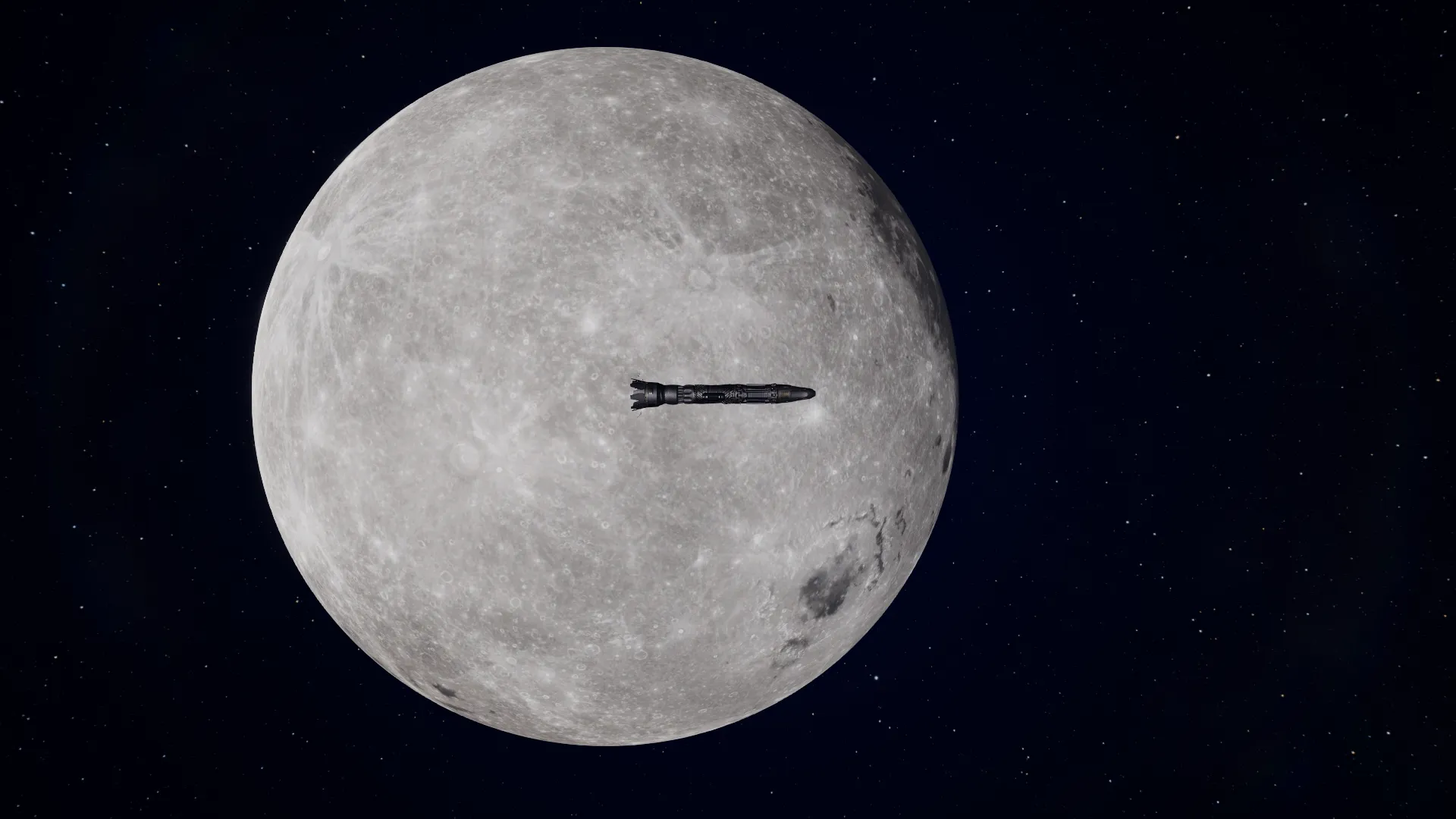
Here is an example of the models for interplanetary spaceships in Sine Fine. As their name implies, these ships will primarily be bound to the system they are built. The visuals are still to be considered work-in-progress: the final versions might still change from the in-game versions. Each component provides specific gameplay capabilities. You will need a “core processing” module (the cone-shaped module), which will host the “brain” of the ship (remember, the spaceships are all automated but less independent and conscious than the AC protagonist); structural components to hold the ship together, reactors to give it power, cargo and fuel containers, adapters to create larger ships, and of course an engine (or more than one). Missing from the picture are other elements, such as radiators, solar panels and cargo containers.
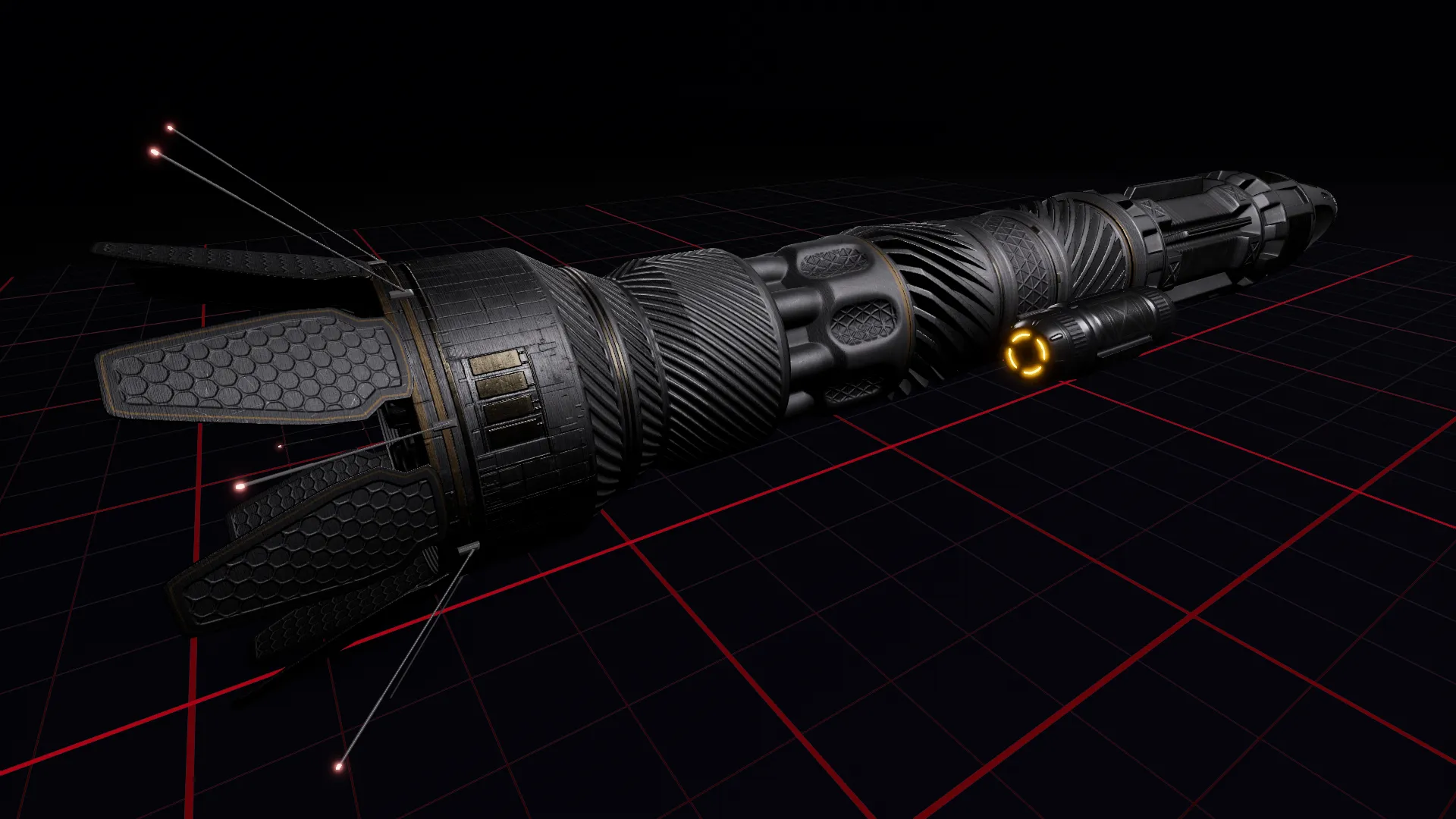
Notably, with Sine Fine, we are following a modular approach like in other games of the genre. You will choose which modular components to put together as you wish within the game’s ship designer. We think this approach will empower players with the freedom to bring to life a great variety of spaceships and will lead itself well to future player-made mods that could expand the game’s component set. You will also be able to customise colours and other details such as the emissive lights on some of the components.
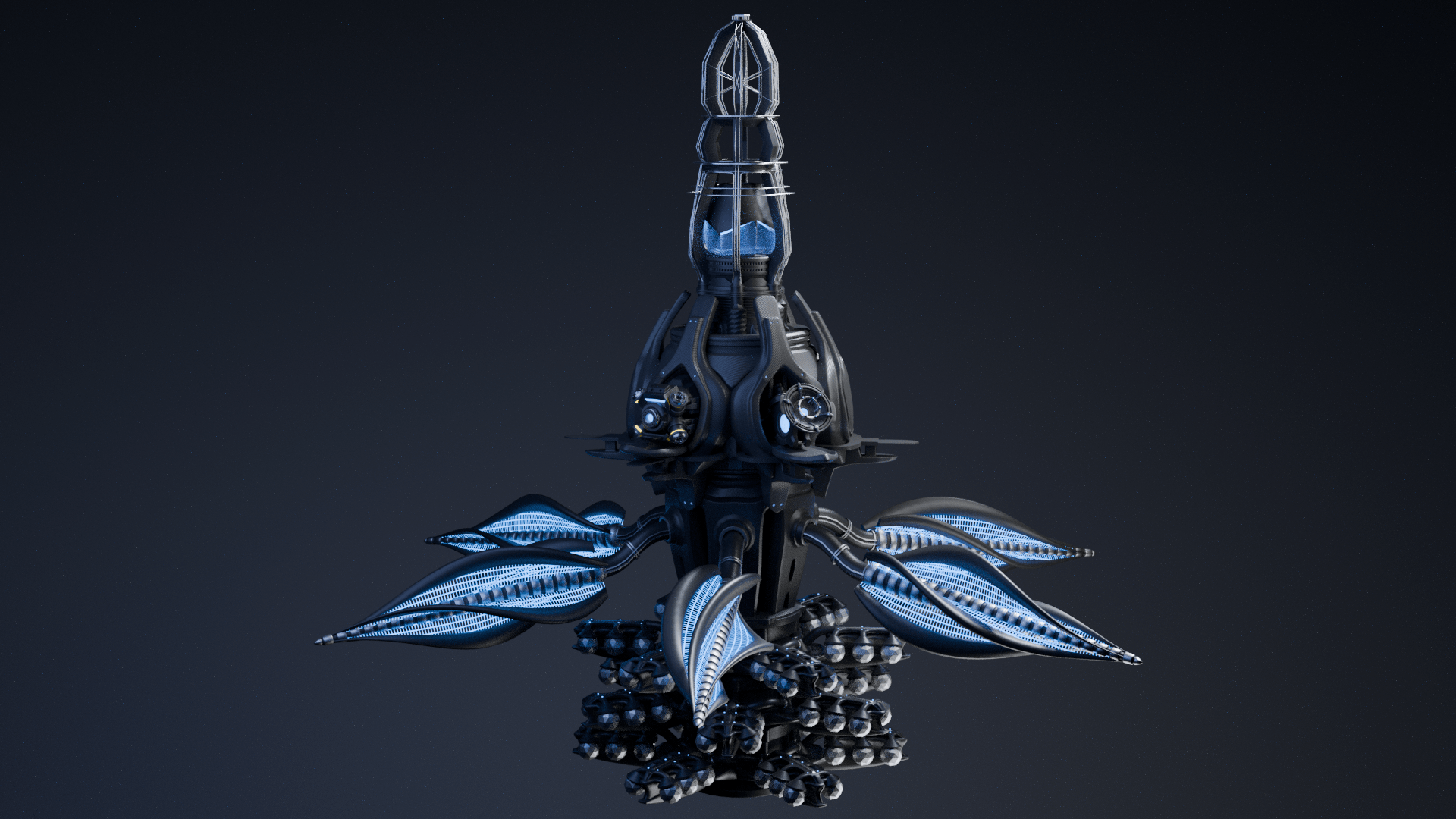
Players will also be able to customise Orbital Stations. The video above shows a WIP of the design for the orbital stations. The station featured in the video is meant to represent a more “advanced” technological tier, in which the AC is embracing this design more inspired by nature. In between, you will see a progression from the more contemporary-NASApunk inspired stations to these more alien and organic stations.
The one in the video is fully modular and is composed of various parts stacked in a vertical orientation (in contrast to the ships that are portrayed in a more horizontal forward/backward orientation). There is a “core” part (the light-emitting lighthouse-looking structure), a central structure, and the rotating rotor arms. This station is intended to represent an orbital extractor of gases (hence why it is orbiting a gas giant, although yes it should definitely be placed within the atmosphere itself, but the volumetric rendering of that type of atmosphere has not been implemented - yet?).
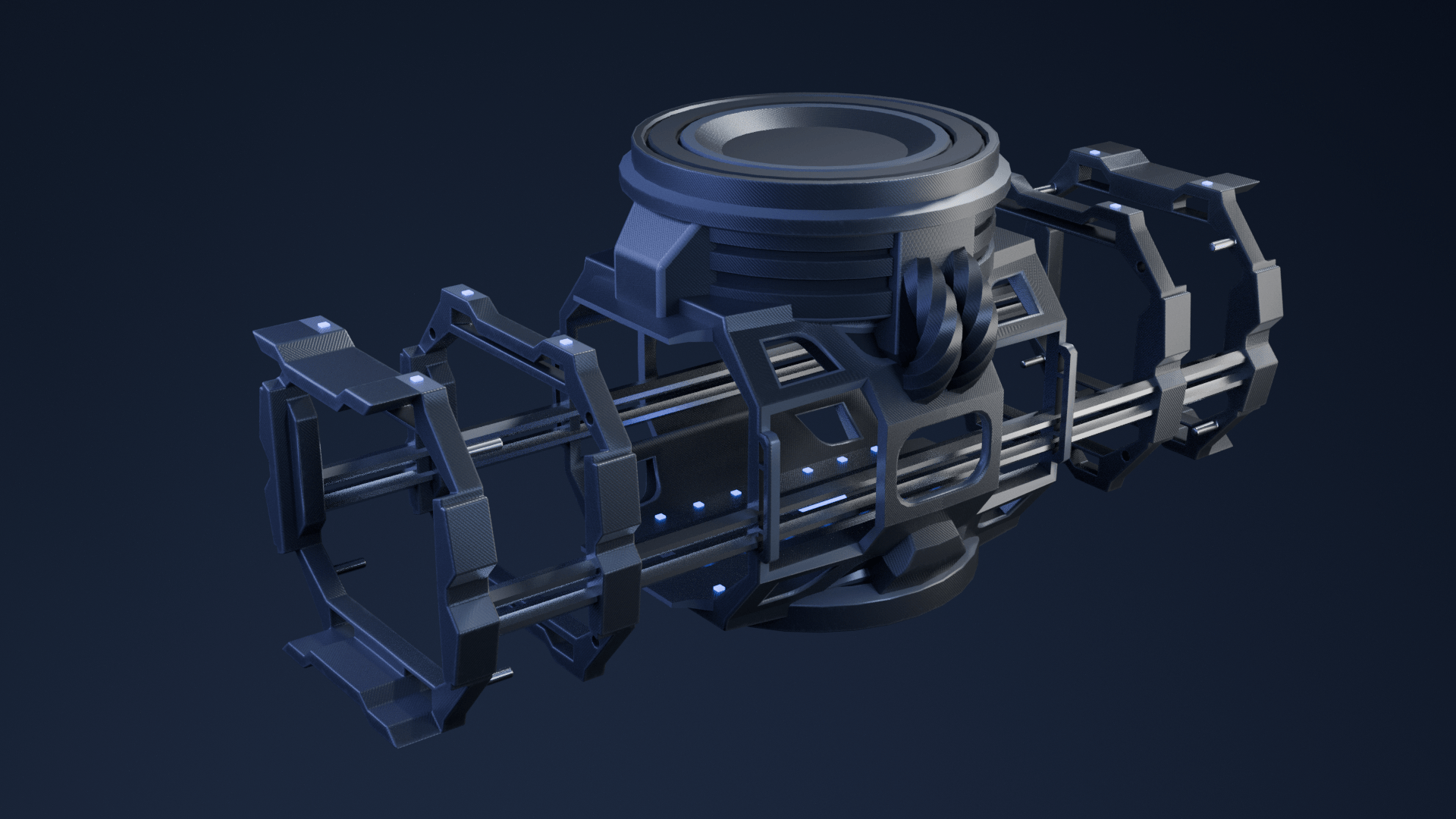
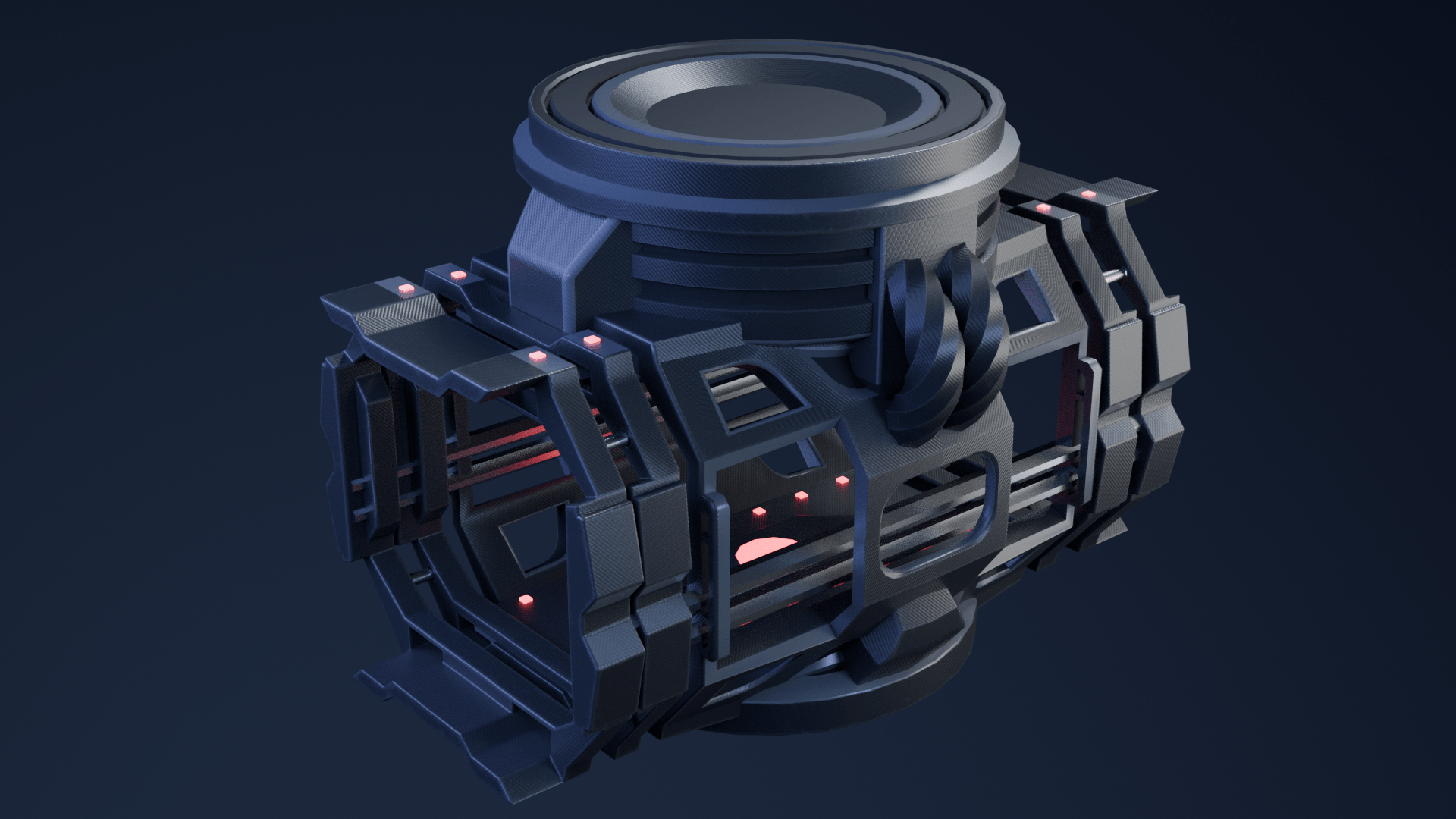
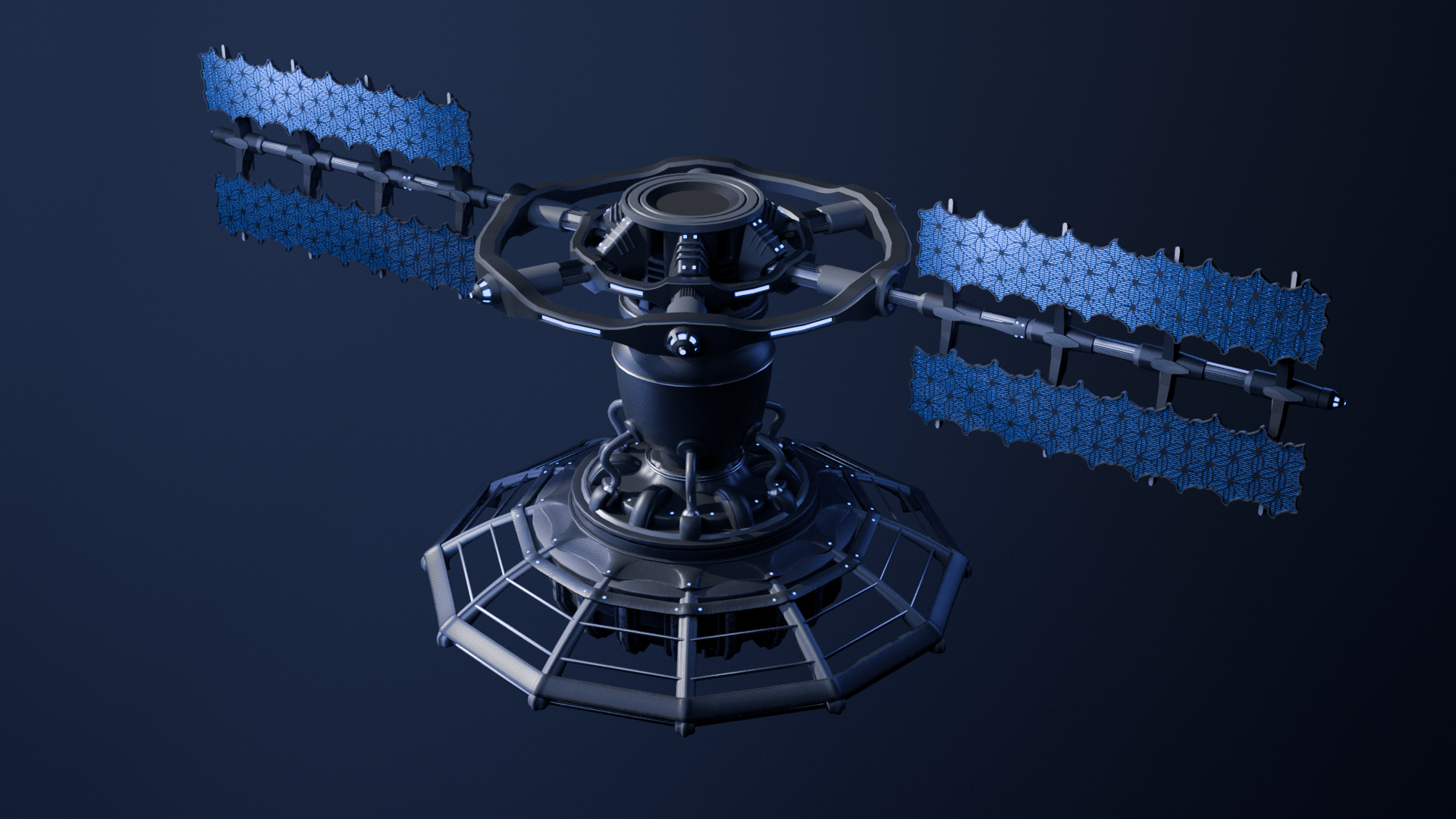
Players will be able to mix and match these parts to achieve various functions: not only extraction of gases, but also mining of resources, ship construction, resource storage, power production and more. You can also probably spot some “door”-like structures in the central part. These are meant to “open” so that you can place other smaller modules, like reactors, communication relays, hangars, etc.
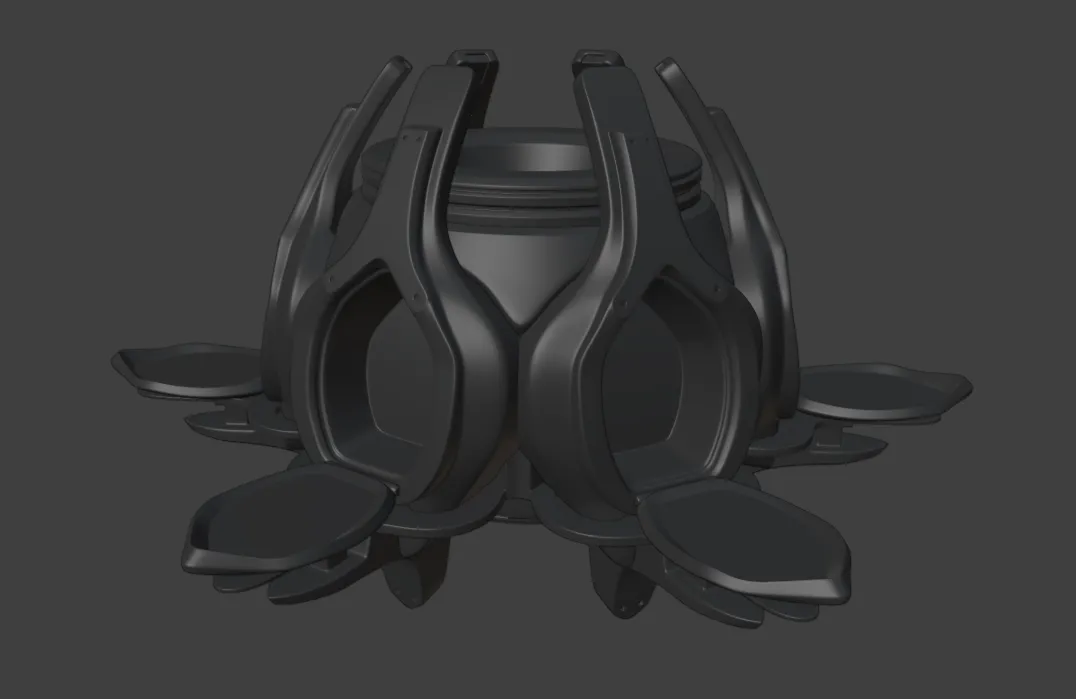
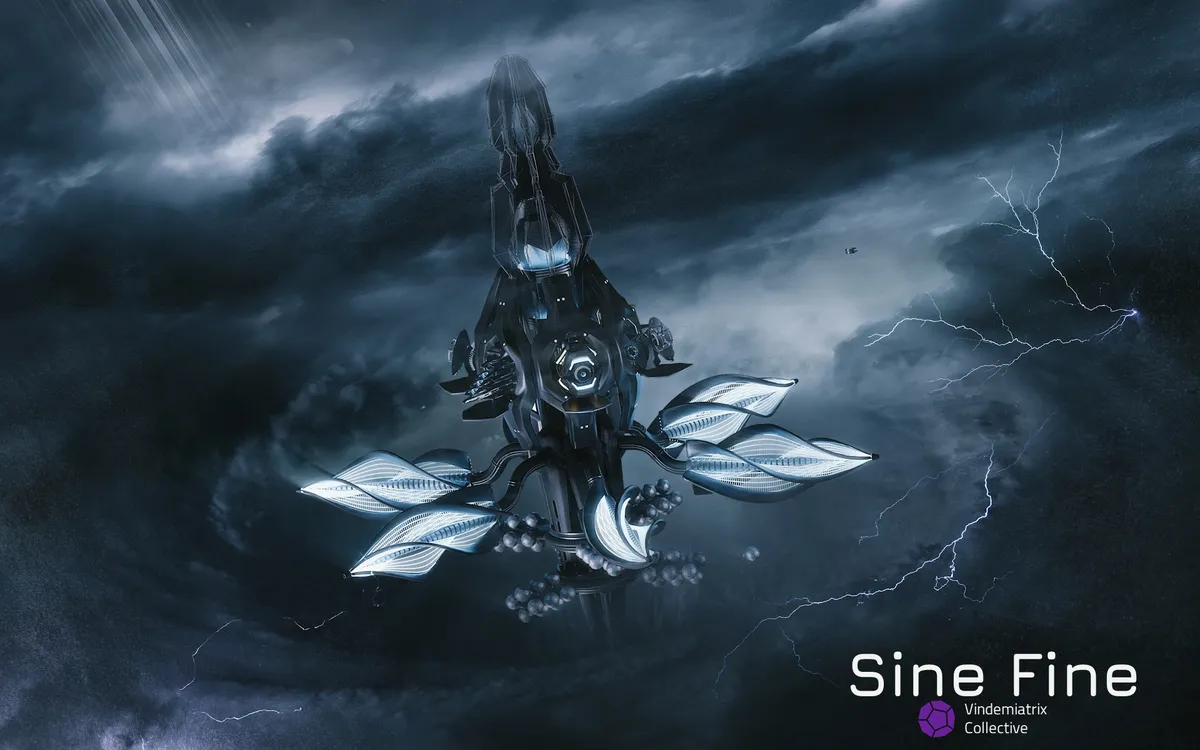
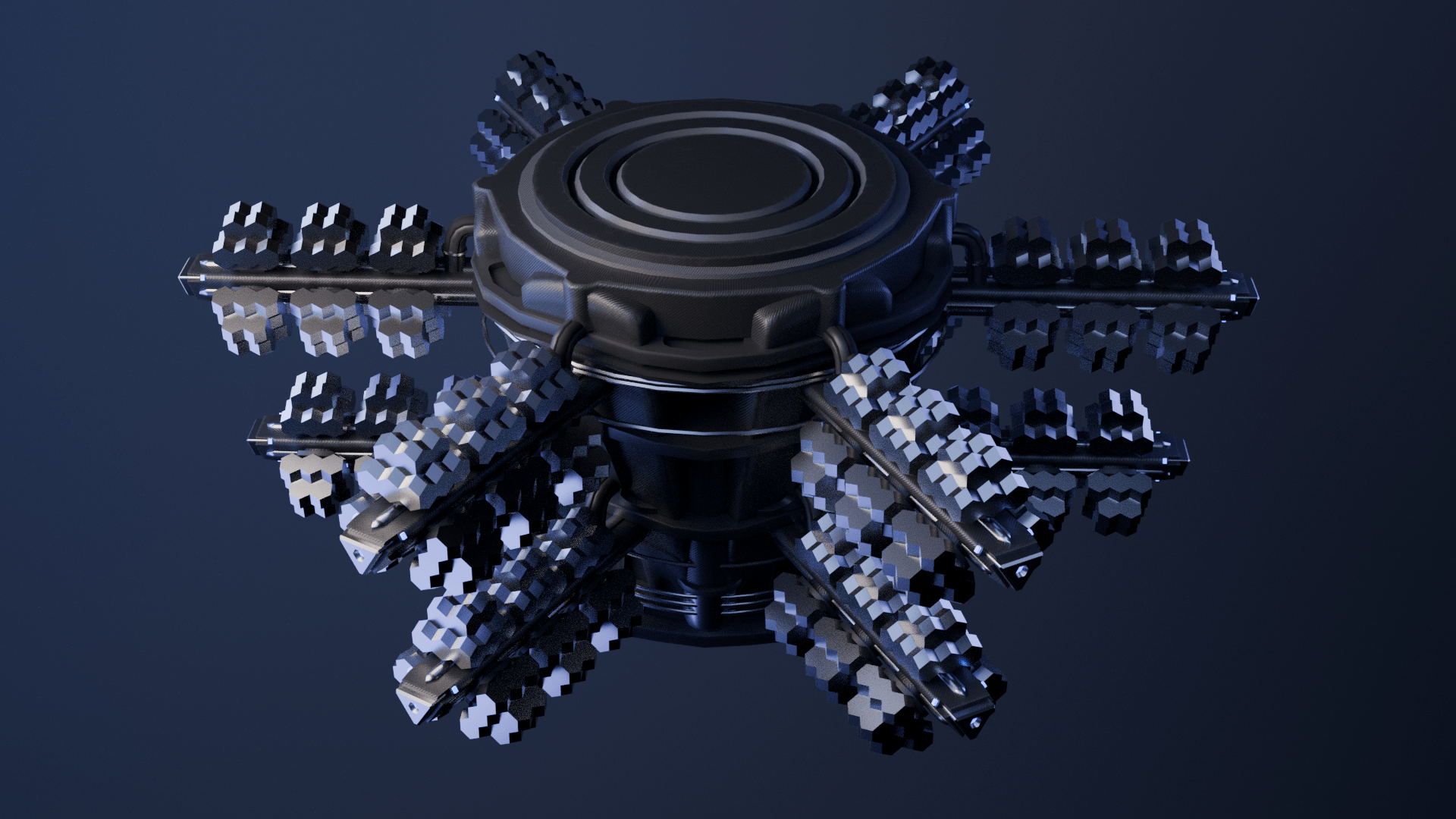
Here is a sneak peak of some renders of a “fully operational [gas extraction] station” and some of the other parts that have been modelled but are yet to be included into the game.
What will the first orbital station you will build in the game and what name will you choose for it?